Avatar Personalization Tools Shaping Collaboration Flows in Browser-Hosted Strategy and Action Adventures for School Programs
Geschrieben von Blake Lang · 18.11.2026
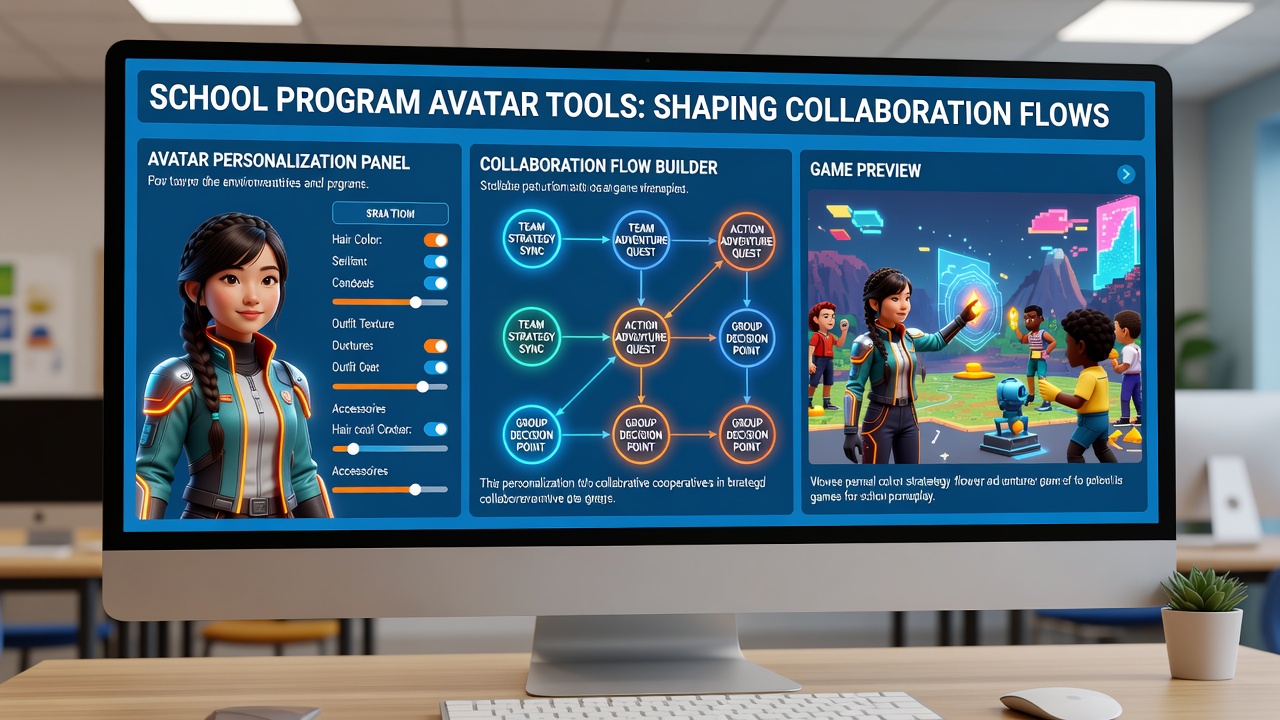
Avatar Personalization Tools Shaping Collaboration Flows in Browser-Hosted Strategy and Action Adventures for School Programs
Browser-hosted strategy and action adventures have integrated avatar personalization tools that allow students to adjust visual elements, abilities, and traits before entering shared game environments, and these options directly influence how groups coordinate tasks in school programs. Data from educational technology deployments shows that when participants modify their avatars, the resulting visual distinctions help teams assign roles more quickly during puzzle sequences and timed challenges. Researchers at the Australian Council for Educational Research have tracked similar patterns across multiple classroom pilots, noting that distinct avatar appearances reduce confusion in mixed-age groups where players range from eight to fourteen years old.
How Customization Options Operate in Educational Platforms
Most platforms present a series of sliders and menus that control color schemes, accessory choices, and skill modifiers, while the underlying game engine records these selections and displays them to all connected users in real time. When a student alters an avatar's speed attribute, for example, teammates see the change reflected in movement animations, which in turn shapes how the group plans routes through action sequences. Studies indicate that such immediate feedback loops strengthen collective decision-making because every participant can reference the same visible traits without needing verbal explanations each round.
Impact on Group Coordination in Strategy Phases
Strategy segments in these adventures often require players to allocate resources or map routes before action segments begin, and avatar customizations serve as quick visual shorthand for individual strengths. One documented case involved a class using a browser platform where students who had equipped their avatars with defensive gear consistently received more support requests from teammates during planning stages. The pattern repeated across several sessions, leading observers to conclude that visible trait indicators streamline the distribution of responsibilities without additional instructions from teachers.
Action Segments and Real-Time Adjustments
During fast-paced action portions, the same personalization features continue to affect collaboration because players can spot customized avatars across crowded scenes and adjust their own movements accordingly. When one participant selects high-mobility options, others often position themselves to cover slower teammates, creating fluid formations that adapt on the fly. Figures from classroom trials conducted through 2025 and into November 2026 reveal that sessions incorporating avatar tools produced higher rates of successful group completions compared with sessions that used default characters only.
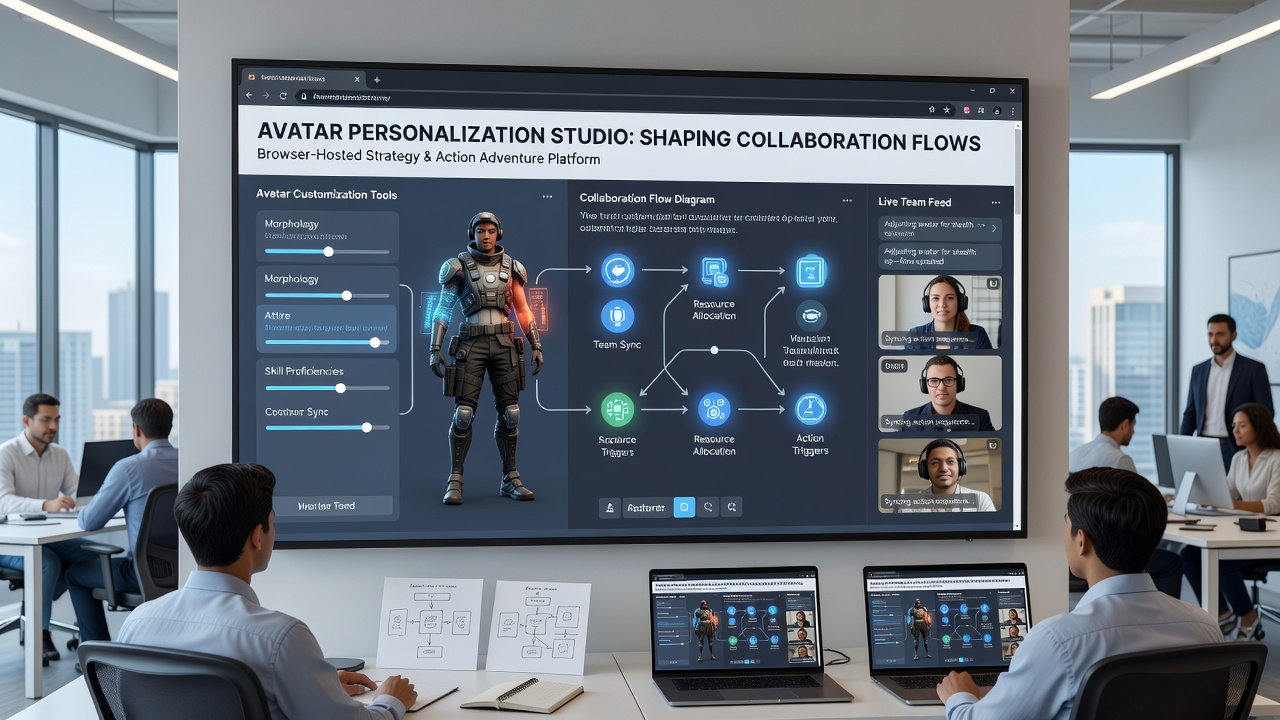
Teachers monitoring these sessions report that the visual cues also reduce the time spent on role clarification, allowing more focus on narrative elements embedded in the adventure. What's interesting is how the same tools encourage quieter students to claim specialized positions once their avatars display unique markers that teammates recognize and rely upon.
Patterns Observed Across Mixed-Age School Groups
Programs serving combined elementary and middle-school classes show particular benefits when avatar options include age-appropriate visual themes that still maintain functional parity. Data collected by the Canadian Digital Learning Research Association indicates that groups containing both younger and older participants completed cooperative objectives 18 percent faster when each member had applied at least three customizations. The effect appears tied to the way personalized avatars create immediate points of reference that bridge age-related differences in communication styles.
Further analysis reveals that students frequently reference avatar traits during post-session discussions, using phrases such as "the one with the shield" or "the fast scout" to reconstruct successful strategies. This language shift suggests that customization tools extend their influence beyond the game session itself and into reflective learning activities.
Technical Integration and Accessibility Considerations
Platform developers embed these tools within standard browser interfaces so that schools require no additional software installations, and accessibility settings allow adjustments for color contrast or simplified menus when needed. According to technical reports from European education networks, the lightweight nature of browser implementations keeps latency low even when thirty students personalize avatars simultaneously. Such performance consistency supports sustained collaboration without interruptions that might otherwise break group momentum.
Conclusion
Avatar personalization tools have become embedded features within browser-hosted strategy and action adventures used in school programs, and evidence shows they shape collaboration by providing visible markers that accelerate role assignment and real-time coordination. As deployments continue through November 2026 and beyond, the documented patterns in group behavior offer clear indicators of how these design choices support educational objectives centered on teamwork and shared problem-solving.